Efficient drainage and stormwater management are essential for safe and sustainable swimming pool installations and surrounding landscapes.
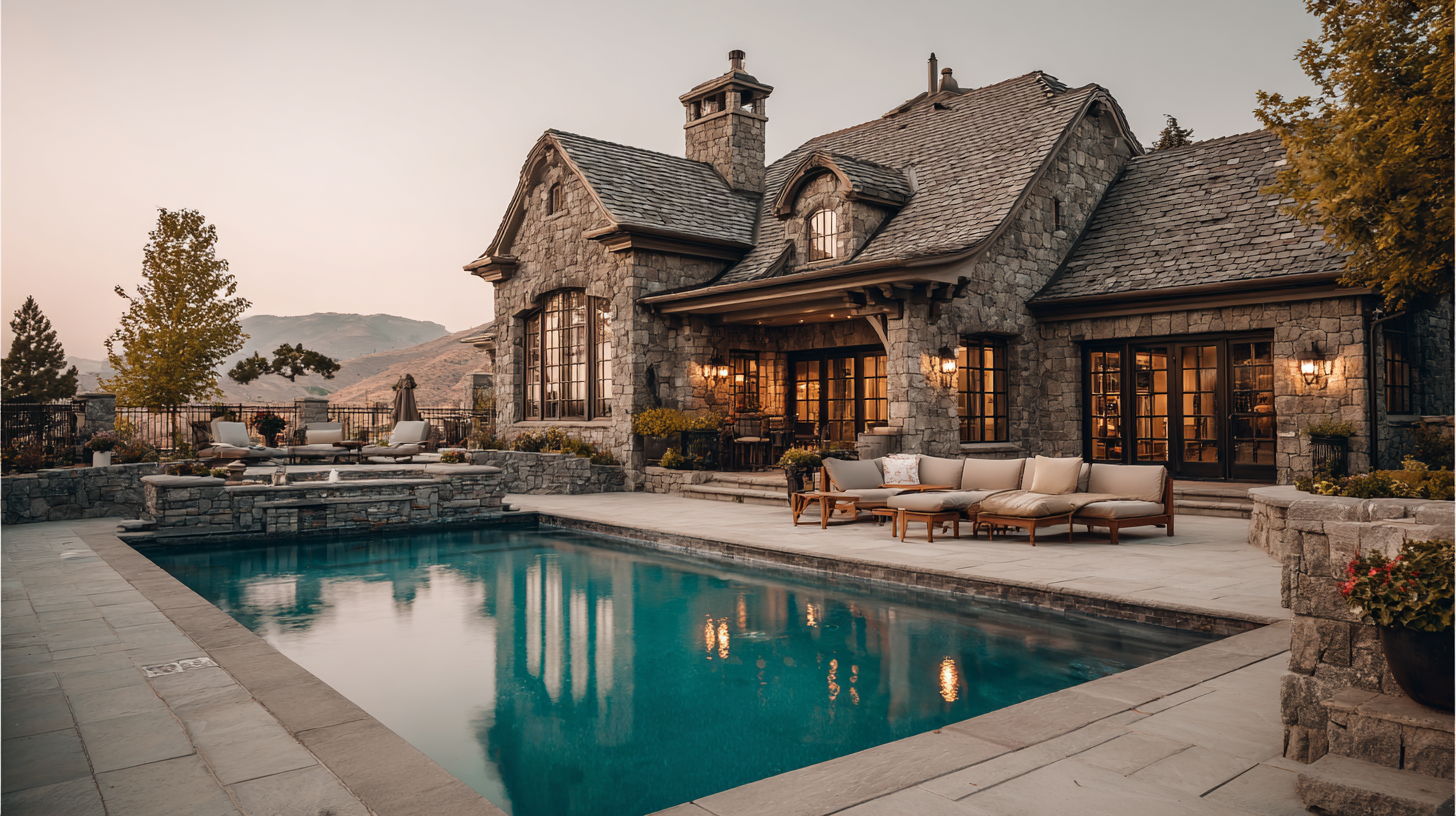
Efficient drainage and stormwater management are critical components of swimming pool installations. They are essential not only for maintaining the integrity and functionality of the pool area but also for protecting the surrounding landscape and property from water-related issues. When a pool is constructed, it is crucial to anticipate how water will flow in and around the installation, especially during periods of heavy rain or flooding. Proper planning and execution of drainage strategies minimize erosion, prevent flooding, and improve the longevity of both the pool and its surrounding structures.
When rainwater accumulates, it can create stagnant pools of water, which pose a risk not only to the pool but also to the health and safety of users. Water can become a breeding ground for mosquitoes and other pests, increasing the potential risk of diseases and impacting the enjoyment of the outdoor space. Furthermore, uncontrolled water runoff can lead to soil erosion, which can undermine install features and landscaping. Therefore, effective drainage strategies are central to ensuring that swimming pools remain safe and enjoyable environments.
Proper drainage begins with careful planning during the design phase of the swimming pool installation. Assessing the site’s topography is essential; understanding the landscape's natural drainage patterns helps to identify where water will flow during rain events. This knowledge allows for the strategic placement of pool features, such as decking and landscaping, to encourage water to flow away from the pool and toward designated drainage points.
In residential settings, the location of the pool in relation to the home and other structures also plays a significant role in drainage design. For instance, gutters and downspouts should direct water away from the pool area and toward stormwater management systems. Additionally, the type of soil on the property influences the design of drainage systems; sandy soils typically drain quickly, while clay soils can create retention issues. The use of engineering tools such as topographic surveys, hydrological assessments, and soil testing diagnostics can help ensure suitable drainage structures are in place.
The implementation of various drainage solutions helps address the specific needs of a swimming pool installation. One key solution is the installation of perimeter drains, also known as French drains. These trenches are filled with gravel and lined with a perforated pipe designed to intercept and redirect groundwater away from the pool area. This method significantly reduces the likelihood of water pooling around the pool's surroundings and protects the integrity of adjacent landscape features.
Another effective method is utilizing surface drains, strategically integrated into the pool deck design. Surface drains collect surface water runoff directly from the pool area, efficiently channeling it away to a proper disposal point. It is essential to place these drains in low-lying areas of the deck to ensure optimal water collection and prevent accumulation.
In some instances, constructing a dry well may be advisable, especially if the property experiences overflow from heavy rainstorms. A dry well captures excess stormwater and promotes natural infiltration into the soil. This system prevents water from overflowing into unwanted areas while replenishing local groundwater supplies. Ultimately, the selection of drainage solutions should reflect the unique characteristics of the site and the specific needs of the swimming pool installation.
In addition to individual drainage strategies, stormwater management techniques can enhance the overall system for swimming pool installations. One such technique is the implementation of rain gardens, which are shallow areas designed to capture and manage stormwater runoff. These gardens utilize native plants and soil amendments to filter water, promote infiltration, and reduce pollutant loads before excess water reaches the drainage system.
Permeable paving materials also present an innovative solution for managing stormwater around pool areas. These materials allow water to pass through their surfaces, significantly reducing runoff and minimizing erosion while providing necessary drainage for the pool deck. Integrating permeable pavers into the landscape design not only aids in stormwater management but also contributes to the aesthetic value of the installation.
Another essential stormwater management technique involves the use of retention basins, which are designed to temporarily hold stormwater before it is gradually released into the drainage system. Designing these basins properly ensures they do not pose a safety hazard while providing critical storage capacity during intense weather events. Often, these basins may be landscaped to complement the pool area's aesthetic appeal, further blending functionality with design.
Swimming pool installations are frequently subject to local, state, and federal regulations regarding stormwater management and drainage. Understanding these standards is essential to avoid legal complications and ensure public safety. Most regions require pool installations to conform to specific guidelines aimed at mitigating flooding and minimizing environmental impacts. Engaging with local environmental agencies early in the design process can help clarify these regulations and streamline compliance.
It is vital for swimming pool contractors to remain up to date with evolving stormwater management policies. They must stay informed about any potential amendments that could affect the installation process. By aligning project designs with current laws, contractors can not only avoid unnecessary fines or penalties but also provide clients with peace of mind that their swimming pools will comply with regulatory requirements.
Integrating sustainable practices within the regulatory framework enhances the reputation of both the contractor and the client. Utilizing environmentally-sensitive design approaches not only reflects a commitment to sustainable practices but also encourages the broader community to adopt similar standards, ultimately fostering a culture of responsibility toward water management.
Maintaining drainage and stormwater management systems is an ongoing responsibility that should not be overlooked. Regular monitoring and maintenance ensure all systems function effectively, reducing the risk of clogs or damage. Routine inspections should include checking for silt build-up in drains, monitoring soil conditions around the pool area, and assessing the overall functioning of retention systems.
Performing maintenance tasks, such as clearing leaves or debris from drainage systems, promotes optimal water flow and prevents potential flooding scenarios. Ensuring that irrigation systems do not conflict with drainage pathways is also crucial; irrigation should be designed in a way that further promotes the management of stormwater rather than exacerbating the issue.
As pool surroundings frequently involve patios, landscaping, and lawns, it is important to enforce proper care practices around these areas. Over-watering or intensive fertilization can lead to increased runoff, impacting nearby drainage systems. Educating clients about seasonal maintenance, such as managing foliage growth around drainage sites, fosters a collaborative effort in maintaining the effectiveness of the overall installation.
While traditional drainage systems have served the industry well, advancements in technology are paving the way for innovative drainage solutions. Developments such as smart drainage systems utilize sensors and data analytics to monitor water flow and predict potential flooding events. These systems can provide real-time updates and suggest maintenance actions, allowing for more responsive management of stormwater around swimming pools.
Moreover, utilizing software simulations in the design phase can help identify optimal drainage configurations before project initiation. With advancements in modeling technology, professionals can assess potential drainage challenges and modify designs accordingly, leading to more effective installations.
Harnessing green infrastructure initiatives, such as bioswales, can also provide viable stormwater management solutions. These engineered landscapes are designed to integrate natural processes, filtering stormwater while reducing runoff. By marrying traditional drainage techniques with contemporary approaches, the industry can create resilient and sustainable swimming pool installations that prioritize both functionality and environmental considerations.
Ultimately, the effective management of drainage and stormwater is an integral aspect of swimming pool installations. The synergy of proper planning, innovative solutions, regulatory compliance, and diligent maintenance must align seamlessly to create a successful outdoor living space. As technology progresses and environmental awareness intensifies, the swimming pool industry stands uniquely positioned to lead the charge in developing sustainable practices that ensure water management enhances not just the pool itself, but also the broader landscape around it.
We love to hear from new people!


